Healthcare

Overview

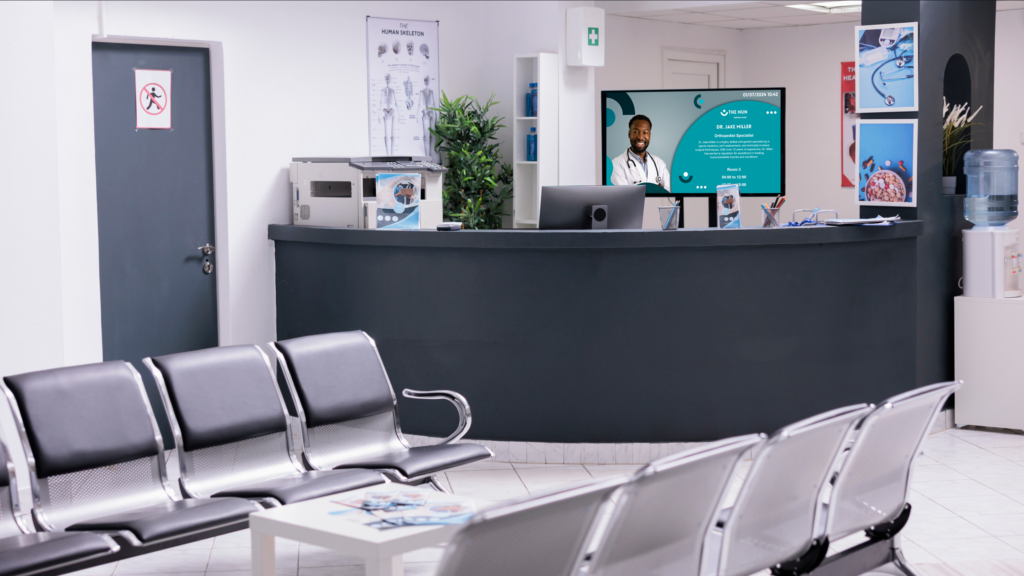
Digital signage in healthcare settings serves as an essential tool for improving patient experience, streamlining operations, and enhancing communication within the facility. Here’s a detailed description of digital signage applications in a healthcare environment.

  • Welcome Messages: Greet patients and visitors with personalized messages.
  • Queue Management: Real-time updates on wait times and queue statuses to reduce perceived wait times and improve patient flow.
  • Health Information: Educational content about health, wellness, and preventive care measures.
  • Facility Information: Details about the healthcare services offered, visiting hours, and hospital policies.
  • Entertainment: News, weather updates, and entertainment to keep patients and visitors engaged.

  • Patient Information: Display personalized patient care plans, schedules, and medication reminders.
  • Parking Information: Updates on available parking spaces, parking fees, and directions to entrances.
  • Emergency Alerts: Quick dissemination of important information during emergencies, such as evacuation instructions or severe weather alerts.
  • Health Campaigns: Promote public health campaigns and community health initiatives.
  • In-Room Entertainment: Access to TV channels, movies, music, and hospital-specific educational content.
  • Service Requests: Interactive interfaces for patients to request assistance, meals, or housekeeping services.

  • Wayfinding Signs: Directions to help patients and visitors navigate the facility, find departments, rooms, and key areas like restrooms and cafeterias.
  • Health Tips: Display quick health tips, motivational quotes, and wellness advice.
  • Emergency Information: Critical updates and emergency procedures for quick reference during an emergency.

  • Educational Content: Display information about medical conditions, treatments, and preventive care during wait times.
  • Appointment Status: Updates on the status of appointments and expected wait times.

  • Digital Menus: Dynamic displays of food and drink options, including nutritional information and daily specials.
  • Promotional & Events: Information about upcoming health talks, support groups, and community health events.

  • Prescription Status: Real-time updates on prescription processing and pick-up times.
  • Health Information: Advice on medication management, potential side effects, and health tips related to pharmacy services.

  • Queue Management: Updates on wait times and triage status to manage patient expectations.
  • Health Alerts: Display information on public health alerts and preventive measures during outbreaks.

  • Internal Communication: Displays for staff schedules, important announcements, and internal communications.
  • Training & Education: Information about upcoming training sessions, educational resources, and staff development programs.
  • Operational Dashboards: Real-time data on patient flow, bed availability, and other critical operational metrics.

  • Parking Information: Updates on available parking spaces, parking fees, and directions to entrances.
  • Emergency Alerts: Quick dissemination of important information during emergencies, such as evacuation instructions or severe weather alerts.
  • Health Campaigns: Promote public health campaigns and community health initiatives.

Summary

Digital signage in healthcare settings not only enhances the patient experience by providing timely and relevant information but also improves operational efficiency and staff communication. These digital displays can be easily updated to ensure accurate and engaging content is always available, ultimately contributing to a more informed and comfortable environment for patients, visitors, and healthcare professionals.